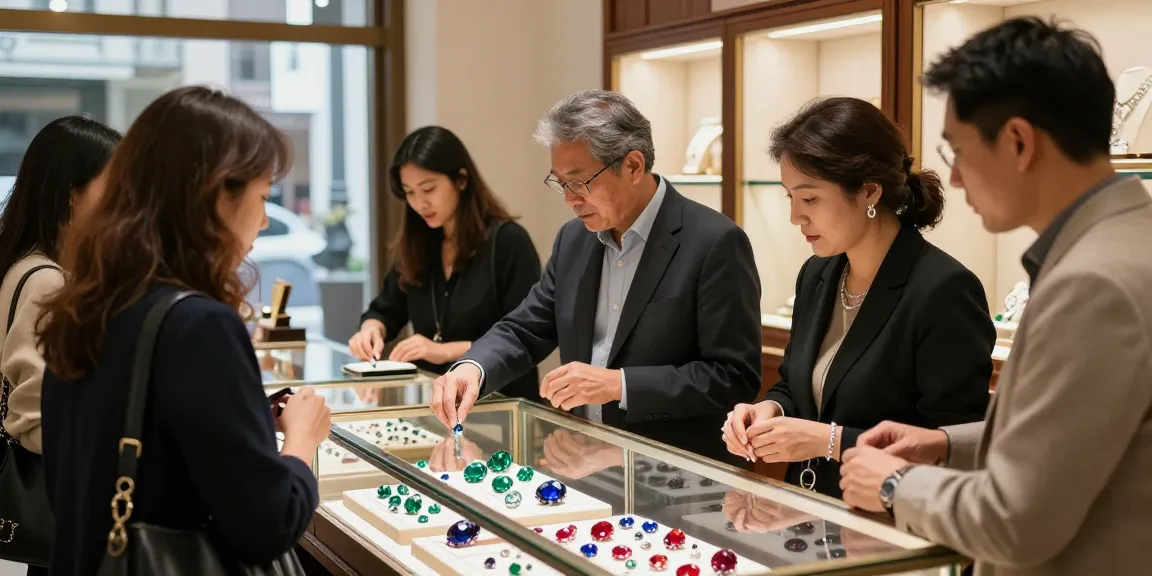
Understanding the Gemstone Market
The gemstone market is a vibrant and ever-evolving sector that has captivated collectors, investors, and lovers of fine jewelry for centuries. With the rise of online platforms and increased access to global suppliers, consumers now have greater opportunities to explore and purchase quality gemstones than ever before. However, navigating this market requires a discerning approach to ensure authenticity, value, and satisfaction. One of the best resources for finding trusted merchants is https://www.mygemspot.com, which serves as a comprehensive directory of reliable vendors.
What Makes a Quality Gemstone?
Determining the quality of a gemstone hinges on several key factors, which can significantly affect its appearance, durability, and value. The four primary characteristics—often referred to as the Four Cs—are:
- Carat Weight: This measures the size of the gemstone; larger stones are generally rarer and more valuable.
- Color: The hue, tone, and saturation of a gemstone can greatly influence its desirability. For example, a deep, vivid blue sapphire is typically more sought after than a light, washed-out version.
- Clarity: This indicates the presence of internal or external flaws. Gemstones with fewer inclusions or blemishes showcase higher clarity and are often priced more significantly.
- Cut: The quality of the cut affects the stone’s brilliance and overall aesthetics. A well-cut gemstone will reflect light beautifully, enhancing its visual appeal.
Additionally, the origin of the gemstone can impact its quality and price. For instance, gemstones from specific regions, known for their unique qualities, often command higher prices due to their rarity and demand.
Current Trends in Gemstone Purchasing
In 2026, consumers are increasingly gravitating towards ethically sourced and sustainable gemstones. More buyers are becoming aware of the environmental and social implications of gemstone mining, which has led to a surge in demand for responsibly sourced materials. Additionally, there is a growing interest in unique, one-of-a-kind pieces over mass-produced options. Customization is key, with many buyers seeking personalized designs that reflect individual style and meaning.
Exploring Merchant Credibility Factors
When purchasing gemstones, consumers must prioritize finding reputable merchants to ensure a positive buying experience. Key credibility factors include:
- Experience: Established merchants with a long-standing reputation are often more reliable.
- Certifications: Look for sellers who provide certification from recognized gemological laboratories, affirming the authenticity and quality of their gems.
- Customer Feedback: Reviews and testimonials can provide insights into previous buyers’ experiences, helping to gauge merchant reliability.
Finding Trusted Merchants on https://www.mygemspot.com
When searching for quality gemstones, the selection of a trustworthy merchant can make all the difference. Merchants listed on https://www.mygemspot.com undergo a stringent curation process that ensures they meet specific quality standards, offering peace of mind to shoppers.
How to Evaluate Merchant Profiles
Evaluating a merchant’s profile involves scrutinizing various elements to ascertain their credibility and product authenticity. Key components to consider include:
- Specialization: Determine if the merchant specializes in the type of gemstone you are interested in, as specialists are often more knowledgeable and reliable.
- Location: The geographic location of the merchant can provide insights into their sourcing practices and the authenticity of their gemstones.
- Purchase History: Look at the merchant’s sales record and feedback from previous buyers to assess their reliability.
Importance of Customer Reviews and Testimonials
Customer reviews and testimonials are invaluable resources for prospective buyers. They offer real-world insights into the quality of the gemstones, the merchant’s professionalism, and the overall purchase experience. A merchant with numerous positive reviews is likely to be a safer choice compared to one with mixed or negative feedback. Always check multiple sources and assess the consistency of the feedback provided.
Identifying Red Flags in Gemstone Sales
While searching for gemstones, it is crucial to remain vigilant and identify potential red flags that may indicate a less-than-reputable merchant. Warning signs include:
- Lack of Transparency: Merchants who do not provide clear information about gemstone origins, treatments, or pricing may be hiding critical details.
- Unreasonable Prices: If a deal seems too good to be true, it likely is. Be cautious of merchants offering substantial discounts on high-value stones.
- Poor Customer Service: A lack of responsiveness or unwillingness to answer questions can be indicative of a merchant who may not prioritize customer satisfaction.
Best Practices for Gemstone Purchases
Making a well-informed purchase in the gemstone market is essential for ensuring satisfaction and value. Here are some best practices to consider:
Negotiating Prices for Gemstones
Negotiation is an integral part of gemstone purchasing, particularly for higher-value items. Many merchants expect some negotiation, and buyers can often secure favorable prices by:
- Researching market prices to understand fair valuation.
- Expressing interest in multiple gemstones to create competitive options.
- Being respectful and reasonable during negotiations to maintain a positive relationship with the seller.
Understanding Certification and Appraisal Processes
Certification and appraisal processes are vital to ensuring the quality and authenticity of gemstones. Certificates, issued by recognized institutions, provide detailed information about a gemstone’s characteristics. Buyers should prioritize purchasing certified gemstones to guarantee their investment in quality.
How to Ensure Authentic Gemstone Quality
To ensure the authenticity of a gemstone, buyers should take the following steps:
- Request certification from reputable gemological labs, which can validate the gemstone’s identity and grading.
- Educate themselves about common gemstone treatments and enhancements, as these can alter a stone’s value.
- Familiarize themselves with the specific gemstone’s characteristics through hands-on examination or detailed images.
Future of the Gemstone Industry in 2026
The gemstone industry is on the brink of significant transformation as we look toward 2026. Emerging trends and innovations will reshape purchasing behaviors and consumer expectations.
Emerging Trends in Gemstone Styles and Preferences
Fashion trends and personal preferences influence the types of gemstones consumers are drawn to. In 2026, expect to see an increase in requests for unconventional stones, unique cuts, and personal storytelling through jewelry, reflecting individual identities and values. Gemstones like lab-created diamonds are gaining traction due to their ethical sourcing and lower environmental impact.
Technological Innovations Impacting Gemstone Sales
Advancements in technology are redefining how consumers shop for gemstones. Augmented reality (AR) and virtual reality (VR) are becoming more prevalent, allowing customers to visualize gemstones in various settings before purchasing. AI-driven platforms are also streamlining the buying process, connecting consumers with reputable sellers while providing personalized recommendations based on preferences.
The Role of Sustainability in Gemstone Sourcing
With increasing awareness of the environmental impact of mining, sustainability is set to be a critical focus in the gemstone industry. Consumers are actively seeking ethically sourced gemstones and are willing to pay a premium for certifications that prove sustainability. This trend is pushing merchants and suppliers to adopt more environmentally responsible practices.
Frequently Asked Questions
What types of gemstones are most popular in 2026?
In 2026, we expect the popularity of colored gemstones, such as sapphires, emeralds, and lab-created diamonds to continue rising, with consumers favoring unique pieces that tell a personal story.
How can I ensure I’m buying genuine gemstones?
To ensure authenticity, always purchase from reputable merchants and request certification from recognized gemological institutions. Familiarize yourself with the specific characteristics of the gemstone you are considering to identify any inconsistencies.
What should I consider when choosing a merchant?
When selecting a merchant, consider their reputation, years of experience, customer reviews, level of transparency regarding sourcing and pricing, and their willingness to offer certification.
Are there any risks associated with online gemstone purchases?
Yes, purchasing gemstones online comes with risks, including the potential for misrepresentation. To mitigate risks, it is advisable to conduct thorough research, read customer reviews, and confirm the merchant’s credibility through accredited sources.
How do gemstone prices fluctuate in the market?
Gemstone prices can fluctuate based on various factors, including supply and demand, market trends, and global economic conditions. Seasonal trends and fashion influences can also impact pricing, making it important for buyers to stay informed about market conditions.