
Understanding the Hit Club Phenomenon in Gaming
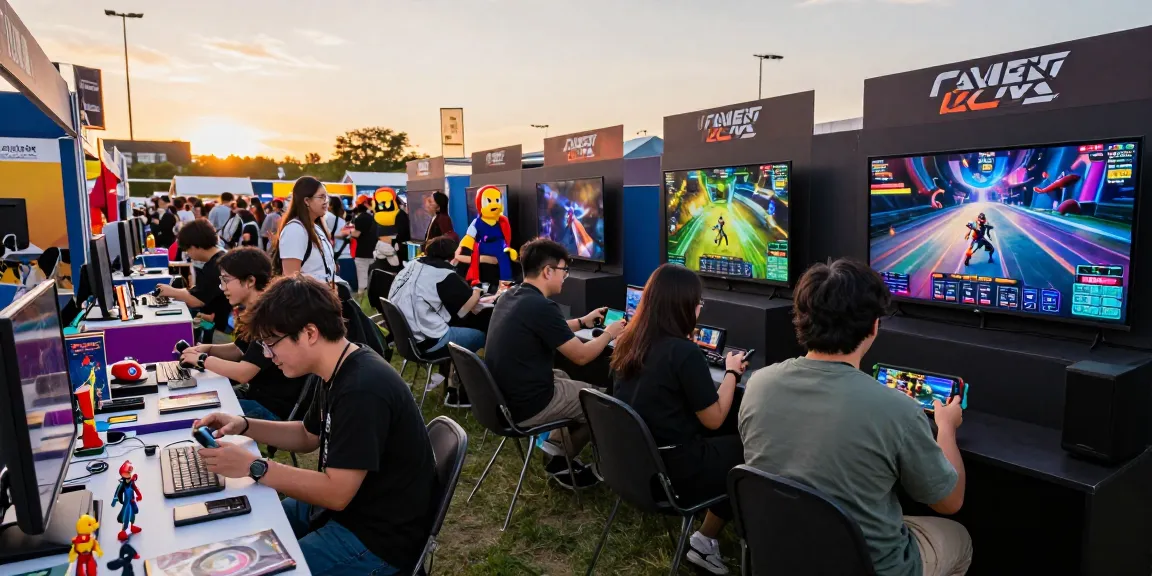
The gaming industry is continuously evolving, with communities and fan bases forming around various games that achieve widespread popularity. Among these, the concept of the “hit club” has emerged, defining a group of successful games that not only captivate players but also foster vibrant communities. This article delves into the intricacies of the hit club phenomenon in gaming, examining its definition, the role of community engagement, and the trends shaping its future. Understanding these dynamics is essential for developers and gamers alike, as they navigate the ever-changing landscape of gaming experiences. When exploring options, hit club provides comprehensive insights into this thriving sector.
What is the Hit Club in Gaming Context?
In gaming, the “hit club” refers to a selection of games that have not only achieved commercial success but also generated substantial interest and activity within the gaming community. These games often set trends, influence market dynamics, and create a cultural conversation around gaming. The hit club encompasses various genres, from action-packed shooters to intricate role-playing games. The common thread among these titles is their ability to resonate with players through engaging gameplay mechanics, compelling narratives, and innovative designs.
The Impact of Community on Gaming Experiences
The power of community cannot be overstated in the gaming world. A strong community can make a good game great, enhancing player experiences through shared knowledge, support, and camaraderie. Platforms such as Discord, Twitch, and various social media channels allow players to connect, share tips, and even collaborate. This sense of belonging significantly enhances player loyalty and engagement, making community-driven initiatives critical for any game aspiring to join the ranks of the hit club. For instance, communities often create fan content that contributes to the game’s longevity, providing developers with valuable feedback to refine future updates.
Trends Shaping the Future of Gaming Communities
As technology advances and gaming becomes more accessible, several key trends are emerging that shape the dynamics of gaming communities. One such trend is the rise of cross-platform gaming, allowing players on different devices to collaborate and compete in the same environment. Additionally, the emphasis on inclusivity and diversity is transforming how communities form and interact. Upcoming developments in social engagement platforms, such as virtual reality forums, could further enhance interaction, allowing gamers to experience a shared virtual space. As these trends unfold, they will significantly impact how players engage with games and each other, reinforcing the hit club framework.
Building Engagement Through Innovative Game Formats
To maintain relevance in the competitive gaming market, developers must consistently innovate gameplay formats. This can involve experimenting with new genres and gameplay mechanics that challenge conventional gaming norms. It’s crucial to adapt to player feedback and market trends to ensure that games resonate with the target audience. Engaging with players through beta testing and community feedback initiatives can lead developers to create more immersive and enjoyable experiences, ultimately elevating their titles into the hit club.
Exploring New Genres and Gameplay Mechanics
Game developers are continuously exploring new genres to cater to evolving player preferences. The rise of indie games has demonstrated that unconventional gameplay mechanics can captivate audiences. Titles like “Hades,” with its innovative rogue-like elements, and “Among Us,” which capitalized on social deduction gameplay, have disrupted traditional gaming paradigms. These games not only provide fun but also foster community interactions, which in turn, contributes to their status within the hit club. Developers should prioritize flexibility in design and create opportunities for community input to enhance their chances of hitting the mark.
The Role of Interactive Storytelling in Hit Club Games
Interactive storytelling has become a hallmark of successful games, allowing players to influence narratives and outcomes. This engagement creates a more personal experience, drawing players deeper into the game world. Games like “The Witcher 3” and “Life is Strange” exemplify how narrative depth can enhance player investment and drive community discussions. As developers consider ways to incorporate storytelling into their games, they should focus on branching narratives that allow for diverse player experiences, ultimately contributing to their title’s appeal in the hit club sphere.
Case Studies of Successful Game Launches
Looking at successful game launches provides insight into effective strategies for joining the hit club. For example, “Fortnite” revolutionized the battle royale genre, primarily through its seasonal updates and community events that kept players engaged. Similarly, the launch of “Genshin Impact” demonstrated the power of cross-platform play coupled with a free-to-play model, capturing millions of players worldwide. Analyzing these case studies reveals that a combination of innovation, community engagement, and effective marketing strategies is crucial for any new title aiming for success.
Leveraging Technology for Enhanced Gameplay
As technology evolves, so do the opportunities for developers to enhance gameplay. The integration of augmented reality (AR) and virtual reality (VR) experiences can offer players immersive environments that go beyond traditional gaming experiences. The potential for these technologies opens new avenues for community engagement, where players can interact in real-time within digital spaces that feel tangible. Staying ahead of technological trends and understanding their implications for player engagement is essential for success in the hit club.
Utilizing Augmented and Virtual Reality in Gaming
Augmented reality has transformed how players interact with the real world through gaming. Titles like “Pokémon GO” have illustrated the potential of AR to create engaging experiences that bridge the gap between digital and physical spaces. Virtual reality offers similar opportunities, immersing players in entirely new worlds. The future of gaming will likely involve a richer blend of these technologies, enhancing social interaction and community building, which are crucial for maintaining a game’s position in the hit club.
The Importance of Cross-Platform Play for Communities
Cross-platform play has become a foundational feature of many successful games. This functionality enables gamers from various platforms to play together, fostering a larger and more inclusive community. Titles such as “Rocket League” and “Call of Duty: Warzone” have capitalized on this trend, allowing friends to play together regardless of their chosen gaming device. As developers continue to embrace cross-platform capabilities, they will likely see increased player retention and satisfaction, which is a vital element in achieving hit club status.
Data-Driven Insights into Player Behavior
Understanding player behavior is crucial for game developers aiming for success. Utilizing analytics tools to gather data on how players engage with games can provide valuable insights for enhancing gameplay and community features. Monitoring metrics like session length, user interaction, and content popularity can inform developers about player preferences and pain points. Implementing changes based on these insights can significantly improve player retention and satisfaction, helping to position a game within the hit club framework.
Marketing Strategies for Hit Club Games
To ensure a game reaches its potential audience, effective marketing strategies must be in place. The landscape of gaming marketing is continually evolving, requiring developers to adopt innovative approaches to stand out. Utilizing social media campaigns and influencer partnerships can create buzz around a game, drawing in potential players and generating excitement pre-launch.
Creating Buzz with Social Media Campaigns
Social media has become a powerful tool for marketing in the gaming industry. Platforms like Twitter, Instagram, and TikTok offer unique channels for reaching targeted audiences. Well-crafted campaigns that utilize engaging visuals and interactive content can significantly increase awareness and anticipation for new game releases. By leveraging trends and working with popular gaming content creators, developers can create genuine excitement that captures the attention of both existing fans and newcomers alike.
Using Influencers to Reach Target Audiences
Influencer marketing has proven effective for promoting video games. Collaborating with influencers who resonate with the game’s target audience can create authentic connections and provide valuable exposure. When influencers share their genuine experiences with a game, it can drive interest and engagement within their communities. Developing these partnerships can be a game-changer for visibility, especially for new titles aiming to establish themselves in the hit club.
Best Practices for Engaging Gamers Pre and Post-Launch
Engagement does not stop at launch; it is essential to maintain communication with the gaming community both before and after a game’s release. Pre-launch engagement can include beta tests and community events, allowing players to provide feedback that developers can use to improve the final product. Post-launch, ongoing dialogue through updates, live events, and community challenges can foster player loyalty and enthusiasm. By prioritizing these strategies, developers can sustain engagement and ensure their games thrive within the hit club.
Future Trends and Predictions for the Gaming Industry
The gaming industry is rapidly changing, driven by technological advancements and shifting player expectations. Understanding future trends is vital for developers aiming to stay ahead of the curve and maintain relevance in a competitive market. From emerging technologies to evolving community dynamics, several key trends are anticipated to shape the future of gaming.
Emerging Technologies Shaping Game Development
As technology progresses, emerging tools and platforms will shape how games are developed and experienced. Innovations in artificial intelligence can lead to more dynamic gameplay, while cloud gaming is making high-quality gaming accessible on various devices, further expanding player bases. Developers should stay informed about these advancements and consider integrating them into their games to enhance user experiences and keep pace with industry shifts.
The Growing Importance of Sustainability in Gaming
With increasing awareness of environmental issues, sustainability is becoming a crucial consideration in the gaming industry. Gamers are more conscious of the environmental impact of gaming, prompting developers to adopt sustainable practices in both game development and operations. This trend is likely to influence purchasing decisions, making it essential for developers to prioritize sustainable practices to appeal to eco-conscious players.
What to Expect in Multiplayer Gaming Landscapes by 2026
By 2026, the multiplayer gaming landscape will likely be marked by increased emphasis on player collaboration and shared experiences. The growth of cloud gaming will enhance accessibility, while continuous improvements in network technology will ensure smoother gameplay for all participants. Moreover, the integration of social features, such as dynamic matchmaking and community-driven content creation, will be critical in maintaining engagement among players.
How Can Gamers Contribute to the Community?
Players have a pivotal role in the gaming community, and their contributions can significantly influence a game’s trajectory. By participating in forums, providing feedback, and creating fan content, gamers can help shape the development and evolution of their favorite titles. Additionally, supporting community initiatives, such as charity events and tournaments, can foster stronger bonds among players and enhance the overall gaming experience.
What Makes a Game Part of the Hit Club?
The characteristics that distinguish a game as part of the hit club are multifaceted. These games typically offer engaging gameplay, strong narratives, and innovative mechanics, all while fostering a positive, inclusive community. Moreover, they often integrate player feedback and adapt to evolving gaming trends, ensuring their relevance in an ever-changing marketplace.
How Does Gaming Culture Influence Trends?
Gaming culture is a dynamic entity that significantly influences trends, shaping player behavior and expectations. This culture embraces diversity, innovation, and community engagement, driving developers to prioritize these elements in their games. As gaming continues to evolve, cultural influences will play an integral role in determining which titles rise to prominence within the hit club.
What Are Common Challenges for Gamers Today?
Despite the growth and accessibility of gaming, players encounter numerous challenges, such as toxic behavior within communities and the pressure of maintaining competitive status. Additionally, balancing gaming with other life responsibilities can be challenging for many. Developers and community leaders must work together to create welcoming environments and address these issues to foster healthier gaming experiences.
How Can Developers Engage Players Effectively?
Effective engagement hinges on understanding player preferences and fostering open communication. Developers should actively seek player feedback and implement changes that reflect community desires. Regular updates, community events, and opportunities for players to voice their opinions can instill a sense of ownership and belonging, making it more likely for a game to achieve hit club status.
What Role Does Feedback Play in Game Design?
Feedback is an invaluable aspect of game design, guiding developers in refining gameplay, mechanics, and storytelling. Conducting surveys, monitoring community discussions, and implementing beta testing can provide actionable insights that enhance player experiences. Developers should embrace feedback as a tool for growth, ensuring their games resonate with players and remain competitive.