
Understanding Eye Health: The Basics You Need to Know
Maintaining good eye health is essential for overall well-being and quality of life. Many people tend to overlook their eye health until issues arise, yet understanding the fundamentals of eye care can aid in early detection and treatment of potential problems. In a world increasingly reliant on digital screens, knowing how to care for your eyes is more important than ever. With the rise of specialized clinics such as SNU Eye Clinic, patients have access to advanced diagnostic techniques and tailored solutions. When exploring options, snuseoul provides comprehensive insights into eye care and surgery in Korea.
What Is Comprehensive Eye Care?
Comprehensive eye care refers to a broad spectrum of services designed to maintain and improve eye health. This includes regular eye exams, diagnosis and treatment of eye diseases, and surgical interventions when necessary. Comprehensive care involves a combination of preventive measures such as vision screenings, patient education, and advanced diagnostic tests to ensure accurate assessments. Regular visits to an eye care specialist can help in identifying conditions like glaucoma, cataracts, and macular degeneration at an early stage, significantly improving treatment outcomes and preserving vision.
Common Misconceptions About Eye Surgery
There are numerous misconceptions regarding eye surgery that may deter patients from seeking the care they need. One common belief is that eye surgery is always painful; however, most modern procedures are minimally invasive and performed under local anesthesia to ensure a pain-free experience. Another misconception is that eye surgery is only for older adults, while in reality, advances in technology allow for various procedures that cater to individuals of all ages, particularly those with refractive errors. Understanding these misconceptions can empower patients to seek the necessary surgical interventions without fear.
The Importance of Regular Eye Exams
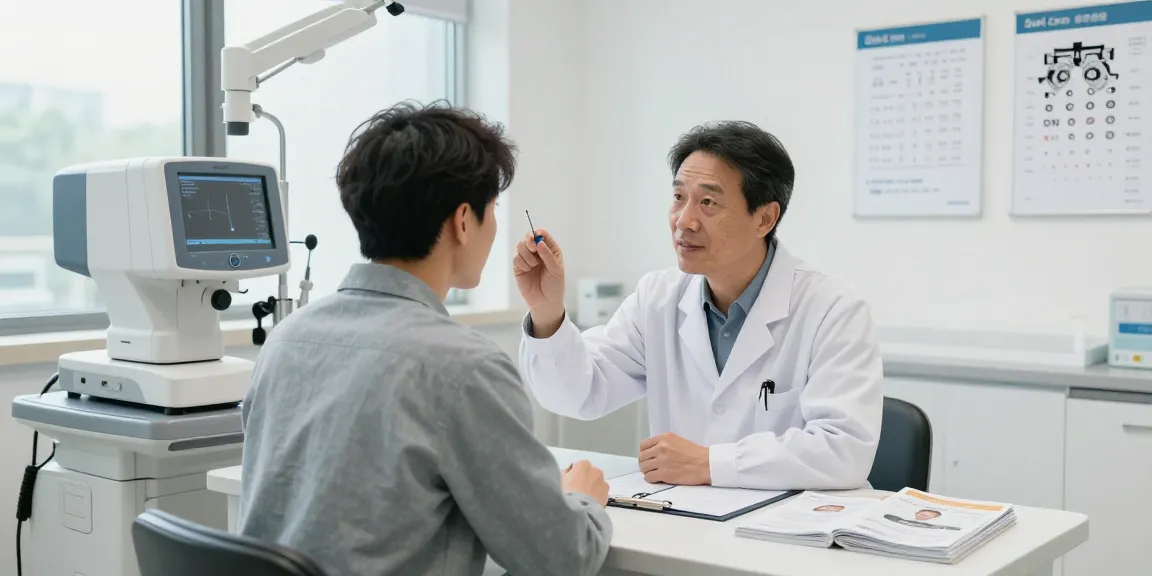
Regular eye examinations are crucial for maintaining optimal eye health. These exams not only evaluate vision but also screen for potential health issues, including systemic diseases like diabetes and hypertension that can manifest through ocular symptoms. During an eye exam, patients can expect a series of tests that may include visual acuity testing, intraocular pressure measurement, and a thorough examination of the eye’s internal and external structures. Establishing a routine for eye exams allows for timely detection and management of eye conditions, ultimately preserving vision and enhancing quality of life.
Key Treatments Offered at SNU Eye Clinic
SNU Eye Clinic offers a range of advanced treatments tailored to meet individual patient needs, ensuring the highest standards of care. With a focus on innovation, the clinic employs cutting-edge technologies designed to deliver superior vision correction solutions. The professional staff is dedicated to providing personalized care based on comprehensive assessments and patients’ unique health profiles.
Innovative Solutions for Vision Correction
Vision correction technology has advanced significantly, offering various options beyond traditional glasses and contact lenses. At SNU Eye Clinic, innovative solutions such as LASIK, ICL (Implantable Collamer Lens), and Toric ICL procedures are available. These methods provide effective solutions for individuals with refractive errors, ensuring that each patient can enjoy clear vision tailored to their specific needs.
Advantages of ICL and Toric ICL Procedures
ICL and Toric ICL procedures are becoming increasingly popular due to their numerous advantages. ICL is beneficial for those who may not be ideal candidates for LASIK, such as individuals with high levels of myopia or thin corneas. Toric ICL specifically addresses astigmatism, allowing for multifocal correction that enhances vision quality at all distances. Both procedures offer a reversible option and do not permanently alter the cornea, making them a safer choice for many patients.
The Process of Personalized Vision Treatment
The journey towards personalized vision correction at SNU Eye Clinic starts with a comprehensive evaluation to determine the best treatment plan for each patient. This process includes detailed eye examinations, consultation regarding potential options, and discussions on individual lifestyle needs. Once a plan is established, patients can feel assured that their treatment is tailored to their unique vision requirements, maximizing the chances of successful outcomes.
Why Choose SNU Eye Clinic for Your Eye Care?
Choosing the right eye care provider is vital for achieving optimal eye health. SNU Eye Clinic distinguishes itself through its commitment to patient-centered care and state-of-the-art medical technology, making it a trusted facility for vision correction. This clinic’s dedication to innovation and excellence makes it a top choice for individuals seeking quality eye care.
52 Detailed Tests for Accurate Diagnosis
One of the hallmarks of SNU Eye Clinic is its comprehensive diagnostic program, which includes 52 detailed tests across seven categories. This extensive testing allows for precise assessments and ensures that all aspects of a patient’s eye health are thoroughly evaluated. By employing advanced diagnostic equipment, the clinic can detect subtle changes in vision and eye health that might go unnoticed in a standard examination.
Proven Track Record: Over 50,000 Surgeries Done
With a track record of over 50,000 successful surgeries, SNU Eye Clinic has established itself as a leader in ophthalmic care. The extensive experience of the surgical team, coupled with their commitment to continuous education and adoption of the latest techniques, ensures that patients receive the highest level of care. Each procedure is performed with a focus on safety and precision, contributing to high patient satisfaction rates.
Expertise in 1:1 Vision Correction Solutions
At SNU Eye Clinic, patients benefit from personalized 1:1 vision correction solutions. This tailored approach involves working closely with eye specialists to determine the best course of action based on individual needs and preferences. By focusing on a one-on-one relationship, doctors can provide exceptional insights and treatments, ensuring that each patient’s vision goals are met effectively.
Patient Experience: What to Expect During Your Visit
Understanding what to expect during a visit to the SNU Eye Clinic can alleviate anxieties surrounding eye care and surgery. From the initial consultation to post-operative care, the patient experience is designed to be as smooth and informative as possible, ensuring individuals feel supported at every step.
Your Journey from Consultation to Surgery
The journey begins with a thorough consultation, where patients discuss their symptoms and vision concerns. The clinician conducts a series of diagnostic tests to evaluate eye health. Based on this information, a personalized treatment plan is created. Should surgery be necessary, patients are fully informed about the procedure, recovery expectations, and any potential risks involved, empowering them to make informed decisions.
Understanding the Surgery Process and Recovery
For those proceeding with surgical options, understanding the surgery process can reduce apprehension. Most eye surgeries are outpatient procedures that take less than an hour. After surgery, patients typically experience rapid recovery times, with many reporting improved vision within a day. The clinic prioritizes patient comfort and safety throughout the entire process, ensuring a smooth transition from the surgical suite back to everyday life.
Follow-Up Care and Maintaining Healthy Vision
Post-operative care is as crucial as the surgery itself. SNU Eye Clinic emphasizes the importance of follow-up visits to monitor recovery and make any necessary adjustments. Additionally, patients receive guidance on maintaining optimal eye health, including recommendations for lifestyle changes and ongoing eye care practices that ensure lasting vision quality.
The Future of Eye Care: Trends to Watch for in 2026
The field of ophthalmology is evolving rapidly, with new trends emerging that promise to enhance patient care. Understanding these trends can help individuals make informed decisions about their eye health in the future. As we move towards 2026, several noteworthy advancements are anticipated.
Emerging Technologies in Vision Treatment
Emerging technologies like artificial intelligence and machine learning are set to transform diagnostic processes and treatment options. AI can assist in predictive analytics, allowing eye care professionals to identify at-risk patients more effectively and tailor treatments accordingly. Furthermore, advances in laser technology are making surgeries safer and more efficient than ever.
Personalized Medicine in Ophthalmology
The rise of personalized medicine in ophthalmology indicates a shift towards custom-tailored treatment plans that consider each patient’s genetic makeup and lifestyle. This approach aims to provide more effective interventions that are specific to the individual’s needs, significantly enhancing the outcomes of various treatments.
How Telemedicine is Shaping Eye Care
Telemedicine is also making a significant impact in eye care, allowing for remote consultations and follow-ups. This convenience not only enhances patient access to care, especially in rural areas but also supports ongoing management of chronic conditions without the need for frequent in-person visits. As this trend continues, it will likely redefine the patient experience and accessibility in ophthalmology.
What are the signs I need to see an eye doctor?
Recognizing the signs that necessitate a visit to an eye care professional is fundamental for proactive eye health management. Symptoms such as blurred vision, difficulty seeing at night, flashes of light, or sudden changes in vision should prompt immediate consultation. Additionally, routine examinations can assist in identifying issues before they become severe.
How does SNU Eye Clinic ensure patient safety?
Patient safety is a top priority at SNU Eye Clinic. The clinic adheres to stringent safety protocols, employs advanced sterilization techniques, and utilizes cutting-edge technology to minimize risks during procedures. Each step from initial consultation to post-operative care is designed to uphold the highest standards of safety.
What advancements are being made in eye surgery?
Advancements in eye surgery are continuous and include improvements in techniques like femtosecond laser technology, which enhances the precision of LASIK procedures. Additionally, new ICL designs are being developed that decrease complication rates while improving visual outcomes for patients with high refractive errors.
How often should I have my eyes examined?
The frequency of eye examinations is determined by age, health, and risk factors. Generally, adults should have a comprehensive eye exam every two years, while individuals over 60 or those with known eye conditions should be seen annually. Regular exams are crucial for the early detection of conditions that could compromise vision.
What should I expect after an eye surgery procedure?
After surgery, patients can expect some mild discomfort, which is typically managed with prescribed medications. Vision may fluctuate initially, but improvements are generally noticed quickly. Follow-up appointments are essential to ensure proper healing and address any concerns that may arise during the recovery process.


